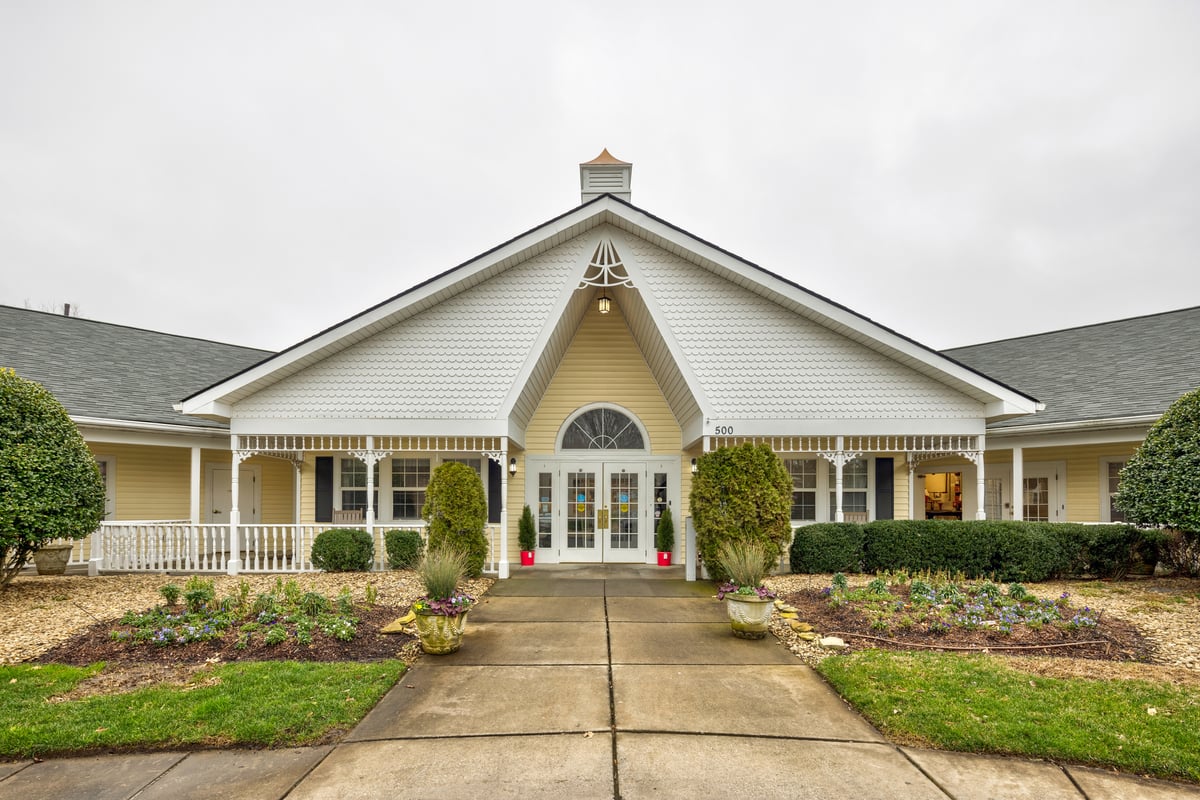

Staff at TerraBella Cramer Mountain respond quickly when memory loss escalates in Cramerton, NC. Families see reassuring action, steady guidance, and compassionate care in every moment.
Memory changes can progress in ways that feel confusing or frightening for older adults. Support from skilled teams helps alleviate stress for both residents and loved ones.
Many families turn to TerraBella Cramer Mountain when they want thoughtful and consistent help. The goal is always comfort, safety, predictability, and more. Caregivers watch for changes and adjust daily routines to fit each person's needs.
Keep reading to learn more about Cramerton senior living.
How Do Caregivers Recognize When Memory Loss Is Getting Worse?
Early signs can appear in small shifts. A resident may forget familiar words. Someone may seem uncertain in rooms they once knew well.
Caregivers trained in memory care in Cramerton, NC, look for patterns over time. Staff notice when tasks become harder or when choices take longer.
Increased worry, confusion, or frustration may signal bigger changes. Families often feel emotional when they see these moments. Team members listen carefully and guide relatives through what's happening.
Understanding escalation helps staff respond correctly. Dementia can affect communication, decision-making, and emotional expression. Compassion also plays a huge role in each response.
Gentle reminders help bring comfort. Predictable routines support a sense of control and safety. Caregivers also share updates with loved ones so everyone works together.
Support Through Small Daily Adjustments
Caregivers often make small adjustments that create big improvements. Shorter instructions reduce frustration.
Soft reminders help residents stay focused. Calm pauses give people time to process information.
Gentle pacing supports comfort and safety. Consistent routines also help residents feel grounded, even as memory changes become more frequent.
How Do Teams Calm Fear, Confusion, or Sudden Agitation?
Fear can rise quickly when memory shifts. Someone may feel lost, even in familiar surroundings. Caregivers trained in dementia behavior help step in with calm voices and open body language.
Residents feel safer when they hear simple and clear sentences. Staff do the following:
- Slow down
- Maintain eye contact
- Offer reassurance
Gentle redirection guides someone back to a peaceful activity or quiet spot.
Emotional support in care matters during moments of fear. Residents sometimes react with worry or frustration when they cannot recall a word or understand a question.
Caregivers know that validation can calm these feelings. Residents may relax when someone acknowledges their emotions first before trying to solve a problem.
Teams avoid rushing. Slow steps help ease sudden overwhelm. If agitation continues, staff examine the environment.
A loud room, bright light, or busy hallway could trigger distress. Changing the setting often helps. Activities like the following can calm emotions:
- Music
- Soft conversation
- A short walk
What Happens When Memory Loss Affects Daily Functioning?
Memory changes make everyday tasks harder. Someone may lose track of hygiene routines or forget how to choose clothes.
Caregivers step in with patient guidance. Support from TerraBella caregiving focuses on dignity and comfort.
Staff offer structure without taking away independence. Simple choices give residents a sense of control. For example, caregivers might lay out two shirts instead of a full wardrobe.
Residents with progressing memory loss often need help staying focused during meals or activities. Staff offer gentle reminders.
Visual cues support understanding and reduce confusion. Clear labels, pictures, or color coding help residents navigate their environment with ease.
A supportive team watches for changes throughout the day. Caregivers also learn personal histories so they can connect during emotional moments.
Music, familiar objects, or calming hobbies can reduce frustration. Personalized care helps each person feel understood.
Frequently Asked Questions
How Do Staff Assess When Extra Support Is Needed?
Teams monitor daily routines, communication patterns, behavior, and emotional responses. Changes that happen over and over often mean someone needs more structured help.
What Should Families Expect When Visiting a Loved One With Memory Loss?
Families may see slow responses, repeated questions, or emotional moments. Gentle communication helps visits go smoothly. Shorter and more predictable visits often reduce stress for everyone.
Do Memory Care Teams Use Routines to Help Residents Feel Safe?
Predictable schedules help residents understand their day more easily. Consistency reduces confusion and supports emotional stability. Most caregivers rely on routines to prevent agitation.
Do People With Memory Loss Still Enjoy Social Activities?
Numerous residents thrive with gentle social engagement. The following works best:
- Small groups
- Calm settings
- Familiar activities
Caregivers help match each resident with comfortable experiences.
How Often Do Care Teams Communicate With Families?
Most communities share updates regularly, especially during changes in memory or behavior. Families can ask questions at any time and receive clear explanations from caregivers.
What Techniques Help When Someone Refuses Care?
Caregivers use patience, redirection, and reassurance. Understanding personal history also helps, because familiar interests or calming objects can reduce resistance. Simple steps usually work better than complex instructions.
Why Do Some People With Memory Loss Wander?
Wandering can stem from restlessness, confusion, or searching for something familiar. Staff monitor movement patterns and create safe pathways for walking. Gentle redirection helps guide residents back when needed.
What Daily Activities Support Cognitive Strength?
Activities such as puzzles, music, conversation, or guided movement support mental engagement. Caregivers tailor tasks to each person's ability so participation feels natural and enjoyable.
How Do Teams Handle Sudden Emotional Outbursts?
Caregivers respond with calm voices and grounding statements. A quiet environment often assists in the staff response to Alzheimer's. They focus on the emotion first, then guide the resident toward comfort.
Cramerton Senior Living Is Where Seniors Go to Thrive
Memory loss brings many changes, but skilled caregivers know how to bring calm and reassurance. Cramerton senior living support from trained teams ensures safety and comfort during difficult moments.
TerraBella Cramer Mountain continues to offer dependable care and a warm community for those who need thoughtful help as memory needs evolve. Seniors feel at home because the amenities help them feel fully relaxed. Examples include a beautiful library, a game room, and a pet-friendly environment.
Are you ready to ensure peak care through our SHINE® memory care program? Be sure to schedule a tour of the community today.